What Is Short-Form Video And How To Grow A Small Business
 Vladimiros MykogianOctober 1, 2026
Short-form video is any vertical video under 60 seconds that is designed to grab attention fast and push viewers toward a clear next step, such as a follow, a message, or a sale. For a small business in 2026, short-form video on platforms like Instagram Reels and TikTok is the fastest way to get in front of new people every day without huge budgets. If you publish simple, focused clips consistently, you can build awareness, traffic, and steady sales in a few months.
What is short-form video and why does it work so well for small businesses?
Short-form video is vertical, mobile-first content between about 6 and 60 seconds that hooks viewers in the first 1 to 3 seconds, delivers one clear message, and ends with a simple call to action. It works especially well for small and local businesses because it fits how people already scroll: fast, with sound off by default, and with low patience for long explanations.
The power of short-form is not in fancy production. It is in relevance and repetition. When your face, your shop, or your product appears on feeds dozens of times per month, people start to recognize you, trust you, and think of you first when they are ready to buy. The algorithm rewards this behavior too, because frequent, engaging posts give the platforms more chances to test your videos with new audiences.
Short, snackable clips are also easier to produce in volume. Instead of spending a week on one polished video, you can shoot 10 quick reels in an afternoon, test different hooks and offers, and keep only what performs. That speed of testing is what lets small businesses compete with much bigger brands.
Which platforms and formats matter most for short-form video in 2026?
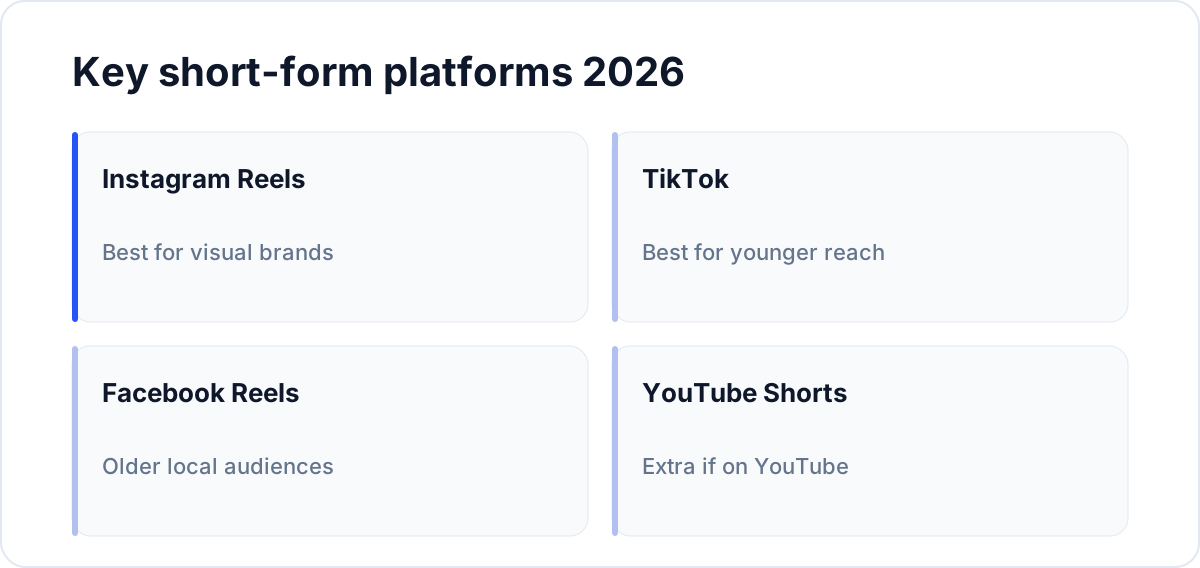
For small businesses in 2026, the main platforms that matter for short-form video are Instagram (especially Reels), TikTok, and Facebook Reels, with YouTube Shorts as a powerful extra if you already use YouTube. The smart approach is not to be everywhere at once, but to dominate one or two platforms where your customers actually spend time.
Instagram Reels is ideal if your audience is active on Instagram already or if you rely heavily on visual branding, such as cafes, beauty salons, gyms, and fashion stores. TikTok is better if you want to reach a younger, discovery-driven audience that enjoys authentic, less polished content. Facebook Reels can extend your reach to slightly older demographics and local communities.
You can usually repurpose the same vertical video across platforms with small changes in text overlays, captions, and music. The key is to respect each platform's culture: for example, TikTok rewards trends, storytelling, and humor, while Instagram Reels often performs better with clean visuals and clear on-screen text.
If you are already investing in broader social media, connect your video plan with your overall social media management so that posts, stories, and ads all support the same goals and messages.
How to plan a short-form video strategy that actually grows your business
A winning short-form video strategy starts with business goals, not trends. You should decide what you want viewers to do after they watch: visit your shop, send a message, book an appointment, or buy online. Then, you design video topics, hooks, and calls to action that move people in that direction.
For small and local businesses, a simple monthly structure works best. Instead of improvising every day, you batch your ideas and filming so that you can show up consistently even when you are busy serving customers. This is where many owners fail: they post once or twice, see low results, then stop. The businesses that win are the ones that post 20 to 30 videos every month and improve a little each week.
A practical plan could be: 50 percent of videos focused on attracting new people (discovery content), 30 percent on building trust (education and behind the scenes), and 20 percent on making the sale (offers and promotions). That balance keeps your feed interesting while still pushing viewers toward buying.
Core content pillars for small businesses
Think in content pillars instead of random ideas. For example:
- Product or service demos (how it works, before and after, quick tutorials)
- Social proof (testimonials, client results, user generated content)
- Behind the scenes (your team, your process, your day)
- Educational tips (answering frequent questions, myths vs facts)
- Offers and calls to action (limited time deals, "DM us", "Book now")
Once you define 3 to 5 pillars, it becomes much easier to brainstorm dozens of video ideas every month.
How often should you post short-form videos?
For real growth, treat short-form as a volume game. Algorithms favor accounts that post frequently and keep people watching. A realistic guideline for a local business is at least 15 to 20 videos per month if you want steady visibility, and 30 or more per month if you want to dominate attention in your area.
If that sounds like a lot, remember that one filming session can produce several clips. Many businesses choose subscription content plans or external partners specifically to achieve that frequency without burning out their team.
How to script short-form videos that turn views into customers
A good short-form script is simple and direct. It has three parts: a strong hook, a fast demonstration or explanation, and a clear call to action. You are not trying to say everything in one clip. You are trying to move the viewer one step closer to contacting you or buying.
The biggest mistake small businesses make is talking about themselves instead of the viewer's problem. Avoid opening lines like "We are a company that..." and use hooks like "Tired of...", "Here is why your... is not working", or "If you live in [your area], watch this before...". That is what stops the scroll.
Once you have attention, show the product or service in action within the first 3 to 5 seconds. Use on-screen text so that the message is clear even with sound off. Then, end with one direct instruction, such as "Send us a message with the word 'OFFER'", "Tap the link in bio to book", or "Save this video and show it in store for a discount".
A simple 30 second script template
You can adapt this 3 part structure for almost any small business:
- Hook (0 to 3 seconds): Call out the problem or audience. Example: "Parents, your kids' shoes are wearing out too fast?" (Adjust location as needed.)
- Value (3 to 20 seconds): Show the solution. Example: close ups of the product, quick explanation of a service, a before and after.
- Call to action (20 to 30 seconds): Tell them what to do next. Example: "Send us a message with 'KIDS' and we will send you today's offer".
Record multiple variations of the hook in one filming session. Often, changing only the first line can double your results.
Types of calls to action that actually get responses
Not all calls to action are equal. Practical ones that feel low pressure work best for local businesses. For example:
- "Send us a message with [keyword] and we will reply with today's offer"
- "Comment 'INFO' and we will send you the details"
- "Tap follow so you do not miss tomorrow's tip"
- "Save this video so you can find us later"
- "Show this video in store to get the discount"
Rotate between soft and stronger calls to action so that your feed does not feel like constant hard selling.
How many short-form videos per month do you really need?
The number of short-form videos you need depends on how fast you want to grow and how competitive your niche is, but the pattern is clear: volume and consistency win. For local businesses that want noticeable results, aiming for at least 30 short-form videos per month is a realistic standard.
Posting 2 to 3 times per week is usually not enough anymore. People follow dozens or hundreds of accounts. If you appear only a few times per month, they forget you. When you publish daily, or almost daily, you stay at the top of their mind and give the algorithm many chances to show your videos to new people.
Here is a comparison of posting frequencies and what you can realistically expect from each, assuming your content quality is solid and your targeting is clear.
| Posting frequency | What it usually achieves | When it makes sense |
|---|---|---|
| 4 videos per month | Basic presence, existing clients can find you, low growth | Very small budget, just starting, or testing platforms |
| 8 videos per month | Slightly better reach, some new followers, slow growth | Busy owners who can only film monthly and want a bit more visibility |
| 16 videos per month | Noticeable reach, regular inquiries, algorithm starts to test you with wider audiences | Growth phase, more competition, ready to invest more time or budget |
| 30+ videos per month | Strong daily presence, high recall, consistent leads and sales potential | Ambitious growth, want to dominate your category locally, using a structured content system or partner |
If you cannot yet manage 30 videos, start where you are, but set a clear timeline to increase output. The goal is not perfection, it is frequent, improving content.
How to produce short-form video content efficiently without burning out
The secret to sustainable short-form content is batching and systemizing. You plan your ideas once per month, film in blocks, and then schedule or post consistently. Handling everything day by day is what leads most owners to give up.
A simple 5 step production workflow for a small business could look like this:
- Brainstorm 20 to 40 ideas based on your content pillars and frequent customer questions.
- Turn each idea into a simple outline: hook, key point, call to action.
- Schedule one or two filming blocks per month and record 10 to 20 videos per session.
- Edit and add captions, text overlays, and branding for each clip.
- Schedule or post your videos according to your content calendar and monitor results.
Tips for fast, repeatable production
You do not need a studio to get started. What you need is a repeatable setup:
- Use your smartphone camera in vertical mode and clean the lens.
- Record in a bright spot near a window, or use a simple ring light.
- Keep the background clean and on-brand, such as your shop or a neutral wall.
- Use a lapel mic or speak close to the phone for clear audio.
- Record each script two or three times and choose the best take.
As you grow, you can add better lighting, microphones, and editing, or use subscription-based video services so that you stay focused on your business while experts handle production, optimization, and sponsored campaigns.
How to combine short-form video with paid ads for faster results
Organic short-form videos can reach many people for free, but if you want predictable, scalable results, you should combine them with paid advertising. The smartest play is to use your best performing organic videos as ad creatives in targeted campaigns.
Start by posting your videos organically and watching which ones get higher watch time, shares, and comments. Those are your winners. Then, turn the top 2 or 3 into paid ads on platforms like Meta (Facebook and Instagram) and, where relevant, TikTok. Focus your targeting on your local area, relevant interests, and behaviors that match buyers, not just followers.
Paid campaigns let you control who sees your videos and how often. For local businesses, this might mean that people in a certain radius see your face or your offer multiple times per week, so that when they are ready to buy, you are the first option they remember.
You can also use short-form videos as part of a full funnel: awareness clips to cold audiences, testimonial or case study clips to warm viewers, and strong offer videos to past viewers and website visitors. Connect this with your broader digital marketing and, if needed, get consulting or management help so that your budget turns into trackable results.
How to measure if your short-form video strategy is working
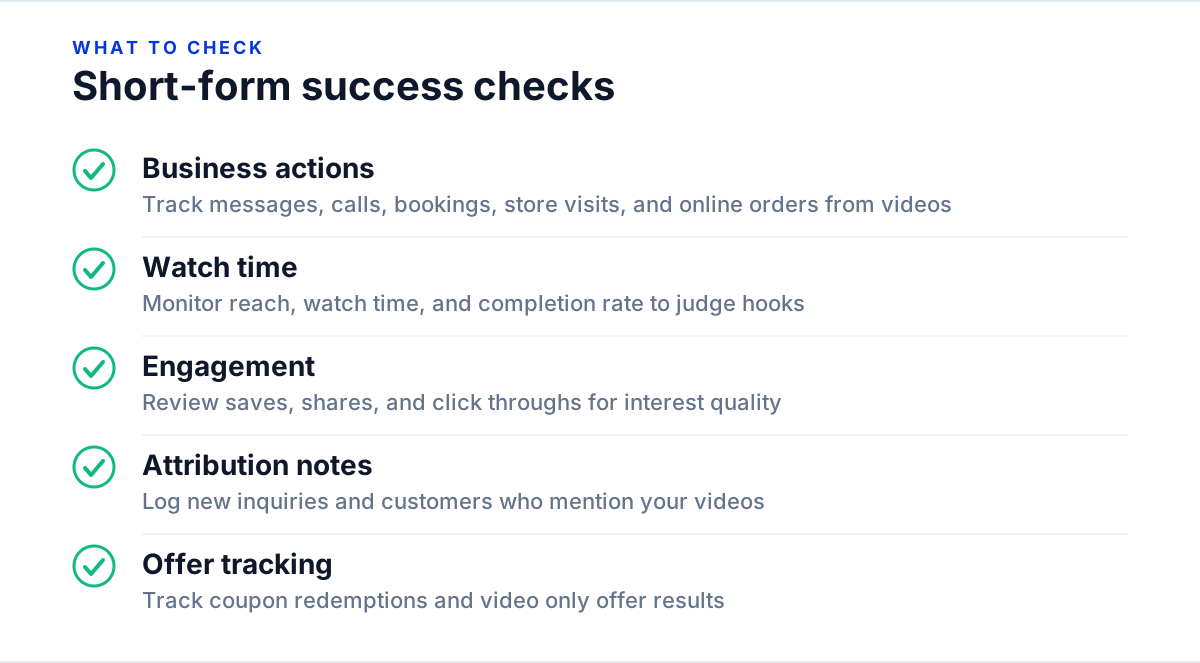
A successful short-form strategy is measured by business results first, not only views. The key question is whether your videos are generating real actions, such as messages, calls, bookings, store visits, or online orders. To judge that, you should track both platform metrics and business outcomes.
On the platform side, pay attention to reach, watch time, completion rate, saves, shares, and click throughs. High reach with low watch time usually means your hook is weak or your intro does not match the promise. High watch time but few messages or clicks means your call to action is not clear or not attractive enough.
On the business side, keep a simple tracking sheet where you note new inquiries, customers who mention your videos, and sales linked to specific offers you promote in your clips. Even without complex tools, patterns will appear within a few months if you are posting consistently.
Metrics that matter for small and local businesses
For a practical view of performance, focus on:
- Reach and impressions per video
- Average watch time and completion percentage
- Number of profile visits from your videos
- Messages, calls, or website clicks coming from your videos
- Coupon redemptions or in store mentions of video-only offers
Combine these with your profit margins to decide how much you can afford to invest in content and ads. If a stable flow of videos and campaigns brings in more profit than it costs, keep scaling.
How a structured partner can help you scale short-form video
If you want the benefits of short-form video but do not have time to plan, film, and manage campaigns alone, working with a structured content partner can compress the learning curve. For example, a provider that packages videography, scripts, performance analytics, and targeted advertising into prepaid monthly plans can help a small business reach the output of 30 or more videos per month without hiring a full internal team.
The advantage of this model is predictability. You know exactly how many videos you get, which platforms they will be optimized for, and how campaigns will be managed. As results improve, you can move from a starter plan with a few videos per month to higher tiers with more frequent content, weekly reports, and dedicated support. That lets you focus on operations while specialists handle daily content, optimization, and GDPR compliant data practices under a clear legal framework.
Before you choose any partner, ask concrete questions: How many videos per month are included, what type of scripts they write, how they report performance, and how they connect short-form content with your broader social media strategy and pricing so that everything works together.
Conclusion: how to win with short-form video in 2026
Short-form video in 2026 rewards small businesses that publish often, stay close to the viewer's problem, and always ask for a next step. You do not need a studio or huge budgets. You need a clear strategy, simple scripts that focus on benefits, and the discipline to post at least several times per week.
Start by choosing one main platform, defining your content pillars, and committing to a monthly output goal, ideally close to daily posting. Script your videos around strong hooks and clear calls to action, track both platform metrics and real world sales, and reinvest in what works.
If you stay consistent for three to six months, short-form video can become one of your main sources of new customers. Whether you do it in house or with a subscription based partner, the businesses that treat video as an ongoing system instead of a one time campaign will be the ones that grow fastest in 2026.
Ready to grow your business?
Videos that sell, scripts that convince and targeted advertising for your area.
See Plans